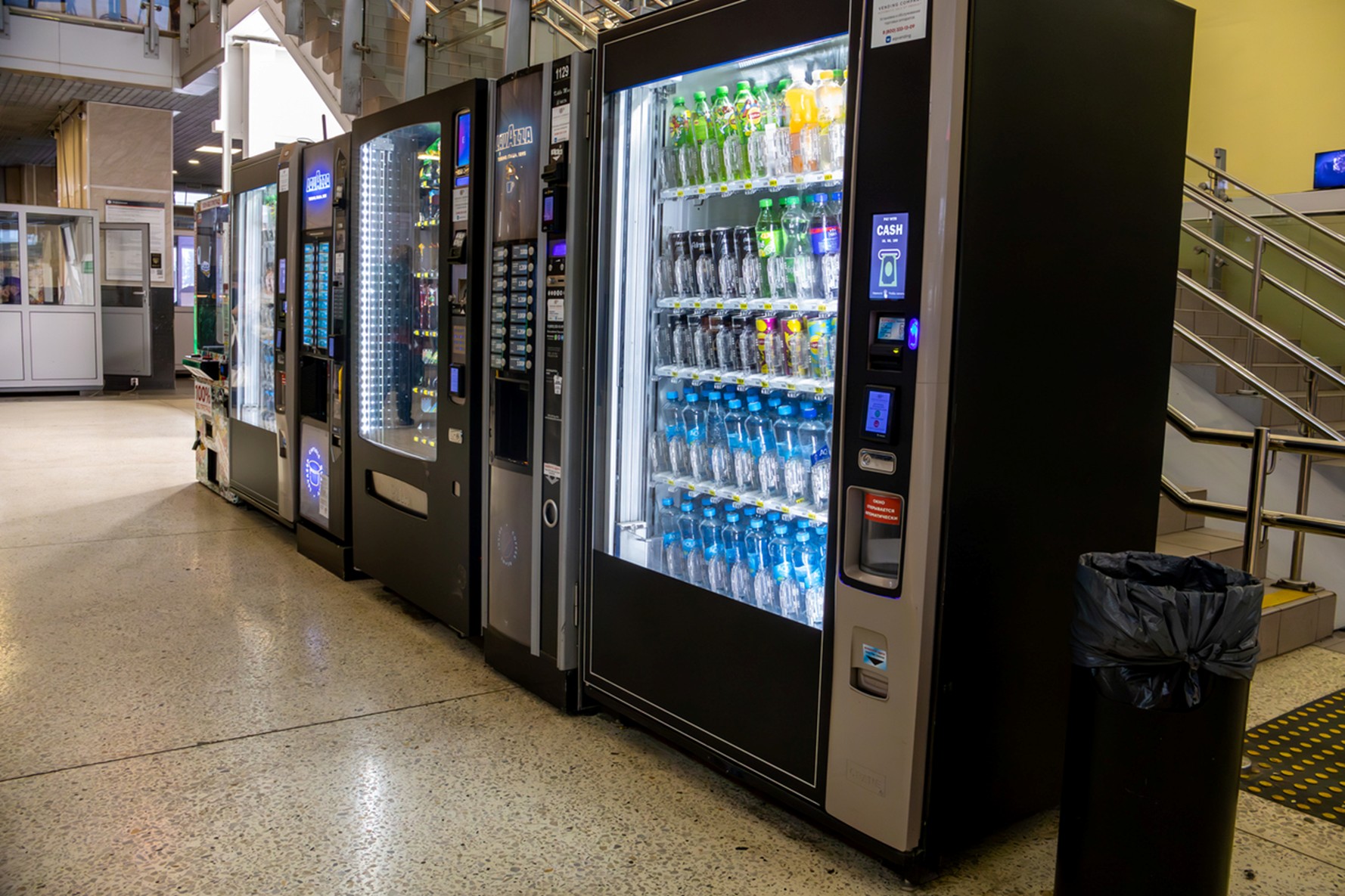
In 2026, Slovenia introduced a new tax compliance obligation for businesses that own vending machines, automated sales systems, and self-service machines for goods and services. Both types of machines must now be able to exchange data with the Financial Administration of the Republic of Slovenia (FURS). Only limited exceptions apply.
Legal background
The new requirement is set out in the amendment to the Cash Register Invoice Verification Act, which was adopted by the Slovenian National Assembly in November 2024. The law came into force with a one-year transition period, giving businesses sufficient time to make technical adjustments and comply with the system.
What has changed
Previously, vending machines selling services were required to issue invoices and report to FURS, while vending machines selling goods were exempt. As part of the mini tax reform implemented in early 2025, the government removed this distinction. The goal is equal tax treatment, improved digital monitoring and greater tax transparency.
Instead of mandatory invoice issuance, the legislator introduced a unified reporting model for both types of vending machines. The key requirement is continuous electronic transmission of transaction data to FURS for each completed sale.
Current obligations From 2026 onwards:
Vending machines for services are no longer required to issue invoices. Goods vending machines are no longer required to issue invoices. All vending machines must transmit transaction data to FURS in real time. Invoices can still be issued on a voluntary basis, subject to a different reporting procedure.
Purpose of the measure This change is part of Slovenia’s broader tax digitalization strategy. The goal is to increase system transparency, reduce the risk of tax evasion, and increase control over automated sales channels.
Exemptions The law provides several clearly defined exemptions:
Flat-rate farmers who sell primary agricultural products through vending machines, provided they are not registered for VAT. Sale of tokens through change machines. Simple mechanical machines without electrical power, such as binoculars at scenic overlooks.
What businesses should do Companies operating vending machines should evaluate their technical infrastructure and ensure full compliance with FURS reporting requirements. This includes software upgrades, secure connectivity, and internal compliance procedures aligned with official FURS technical specifications.
About SIBIZ SIBIZ Business Services supports foreign entrepreneurs, digital nomads, business professionals, and corporate clients operating in Slovenia. We provide comprehensive accounting services and advise on tax compliance, regulatory changes, and practical implementation of new obligations.
At SIBIZ, we are closely following the latest developments regarding EU-INC, as this initiative could radically change the way digital nomads, business professionals and our corporate clients living in Slovenia manage their operations. For those doing business in Europe, keeping track of cross-border business regulations is often a complex challenge. We stay on top of […]
Are you a self-employed professional or small business owner in Slovenia? Significant changes have just come into effect that make it easier to enter or remain in the simplified tax system, often referred to as the flat rate or lump sum system (locally known as “normiranci”). The Financial Administration of the Republic of Slovenia (FURS) […]
For business professionals, corporate clients, and individuals operating within the Slovenian logistics and transport sector, staying ahead of regulatory shifts is essential. Recently, the Slovenian Parliament’s Committee on Labour took a significant step by confirming proposed amendments to the Cross-Border Provision of Services Act. This legislative move aims to redefine how international road transport companies […]